


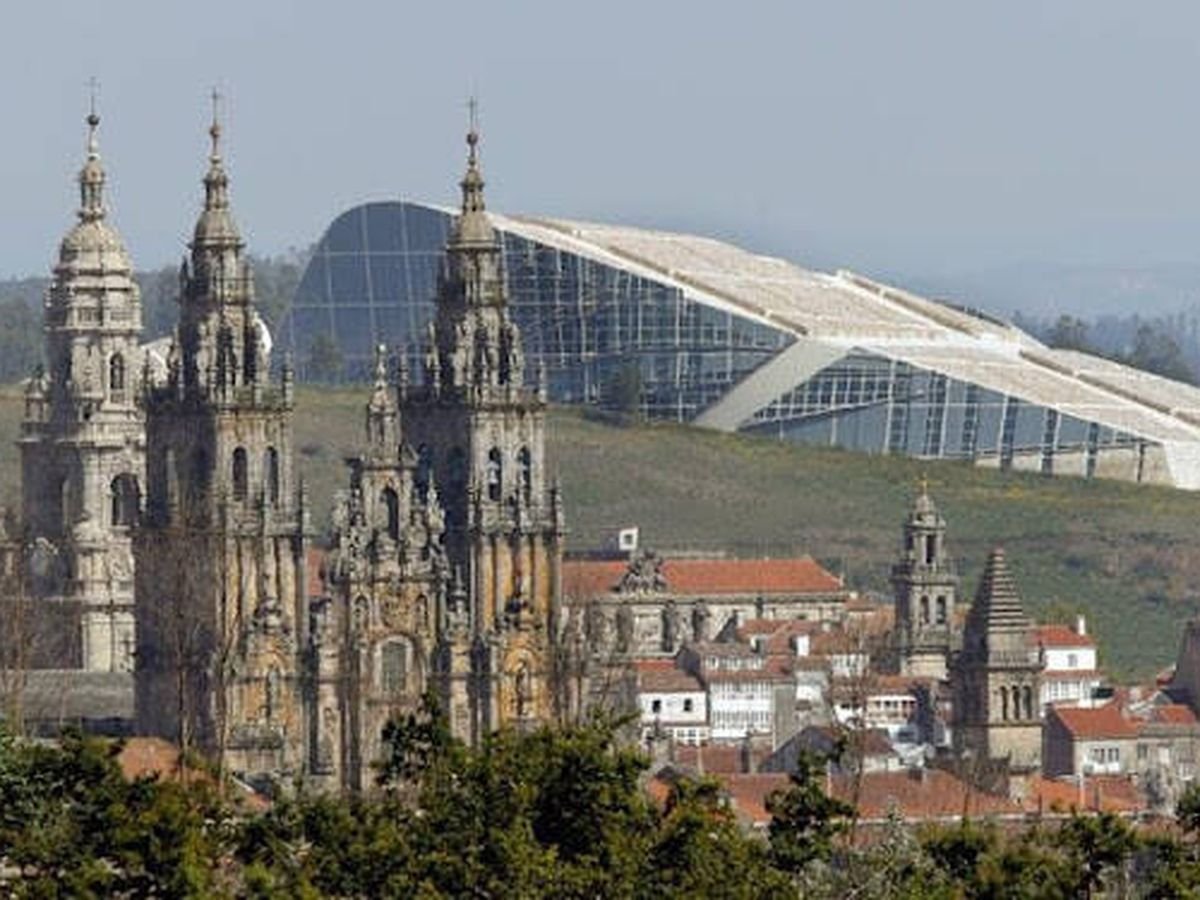
Portuguese Way from Porto to Santiago de Compostela: Complete Pilgrim’s Guide
The Portuguese Way from Porto to Santiago de Compostela is one of the most popular pilgrimage routes in Europe. Starting in the heart of Porto, this spiritual and cultural journey takes pilgrims through historic villages, green fields and stunning landscapes to the magnificent Cathedral of Santiago de Compostela in Galicia. If you are planning to walk the Portuguese Way, this complete guide will help you at every step of your pilgrimage.
What Is the Portuguese Way?
The Portuguese Way is the second most-walked route of the Way of St. James, surpassed only by the French Way. Its popularity is due to its accessibility, its beautiful scenery and the fact that it is an excellent option for anyone starting in Portugal. There are two main variants starting in Porto:
- Central Portuguese Way: passes through towns such as Barcelos and Ponte de Lima
- Portuguese Coastal Way: follows the Atlantic coastline through Esposende, Viana do Castelo and Caminha
Stages of the Portuguese Way from Porto
Total Distance and Duration
The total distance of the Portuguese Way from Porto to Santiago de Compostela is approximately 240 km on the Central Way, walked on average in 10 to 14 days. The Coastal Way is about 280 km and takes 12 to 15 days.
Stages of the Central Portuguese Way
- Stage 1 – Porto → Vilarinho (19 km): leaving from Porto Cathedral, passing through Leça do Balio
- Stage 2 – Vilarinho → Barcelos (24 km): one of the most memorable stages, arriving in the town of the rooster
- Stage 3 – Barcelos → Ponte de Lima (33 km): to the oldest town in Portugal
- Stage 4 – Ponte de Lima → Rubiães (18 km): crossing the Serra da Labruja
- Stage 5 – Rubiães → Valença (19 km): arrival at the historic border fortress
- Stage 6 – Valença → Redondela (32 km): crossing the Portuguese-Spanish border at Tui
- Stage 7 – Redondela → Pontevedra (19 km): a historic Galician city
- Stage 8 – Pontevedra → Caldas de Reis (22 km): spa waters and Galician culture
- Stage 9 – Caldas de Reis → Padrón (19 km): arrival in Padrón, birthplace of the St. James legend
- Stage 10 – Padrón → Santiago de Compostela (25 km): the final and most emotional stage
Transfer and Taxi Services for Pilgrims
Not all pilgrims can walk the whole Portuguese Way. Many use transfer and taxi services for:
- Luggage transport: backpacks are carried from hostel to hostel while you walk
- Skipping stages: because of injury, tiredness or lack of time
- Starting the Way: transfer from Porto Airport to the starting point
- Returning: transfer from Santiago de Compostela back to Porto after completing the Way
Porto → Santiago de Compostela Transfer
For those who don’t have time to walk the whole Way, a direct private transfer from Porto to Santiago is an excellent alternative. The journey takes about 2h30 to 3 hours by motorway and offers total comfort.
Porto Airport Transfer to the Start of the Way
Many pilgrims arrive at Francisco Sá Carneiro Airport and need to get to Porto Cathedral (the Sé), the official starting point of the Portuguese Way. A private transfer from the airport to the historic centre takes about 20–30 minutes.
What to Take on the Portuguese Way
Essential Equipment
- A light backpack (8–10 kg maximum): with a built-in rain cover
- Waterproof walking boots: broken in before you start
- Technical socks: anti-blister, several pairs
- A light sleeping bag: for the hostels (15–20°C rating)
- Walking poles: reduce the impact on your knees
- A light raincoat: northern Portugal gets a lot of rain
Documents Needed
- Pilgrim’s credential: available in Porto, for example from the Cathedral or pilgrim associations
- Passport or ID card: for crossing the border at Tui/Valença
- European Health Insurance Card (EHIC): for healthcare in Galicia
Accommodation on the Portuguese Way
Types of Accommodation Available
- Public hostels (albergues): €5–12/night, basic but functional
- Private hostels: €12–25/night, more comfort and services
- Guesthouses / B&Bs: €25–50/night, private room
- Rural hotels: €50–100/night, maximum comfort
Booking in Advance
In high season (July–September), hostels fill up quickly. It is advisable to book ahead, especially for the last 3–4 stages before Santiago. In low season it is usually not necessary.
The Pilgrim’s Credential and the Compostela
The Pilgrim’s Credential (pilgrim’s passport) is the official document proving your pilgrimage. At each stage you must stamp your credential at hostels, churches, cafés and monuments.
To receive the Compostela (the certificate of completion), you must:
- Have walked at least the last 100 km (or cycled 200 km)
- Show your credential with at least 2 stamps a day over the last 100 km
- Go to the Pilgrim’s Office in Santiago (oficinadelperegrino.com)
The Best Time to Walk the Portuguese Way
Spring (March–May)
The best time! Mild weather, green landscapes, fewer pilgrims and available hostels. Temperatures between 15 and 22°C. Rain is possible in northern Portugal.
Summer (June–August)
High season with many pilgrims. Intense heat (up to 35°C in July–August). Hostels full and booking essential. Ideal if you enjoy company and a lively atmosphere.
Autumn (September–November)
An excellent period with less heat and beautiful light. September is still very busy. October and November bring rain but also a special beauty to the landscape.
Winter (December–February)
Few pilgrims and cheaper hostels. Cold and frequent rain. For experienced pilgrims who appreciate the solitude of the Way.
Points of Interest on the Portuguese Way
In Portugal
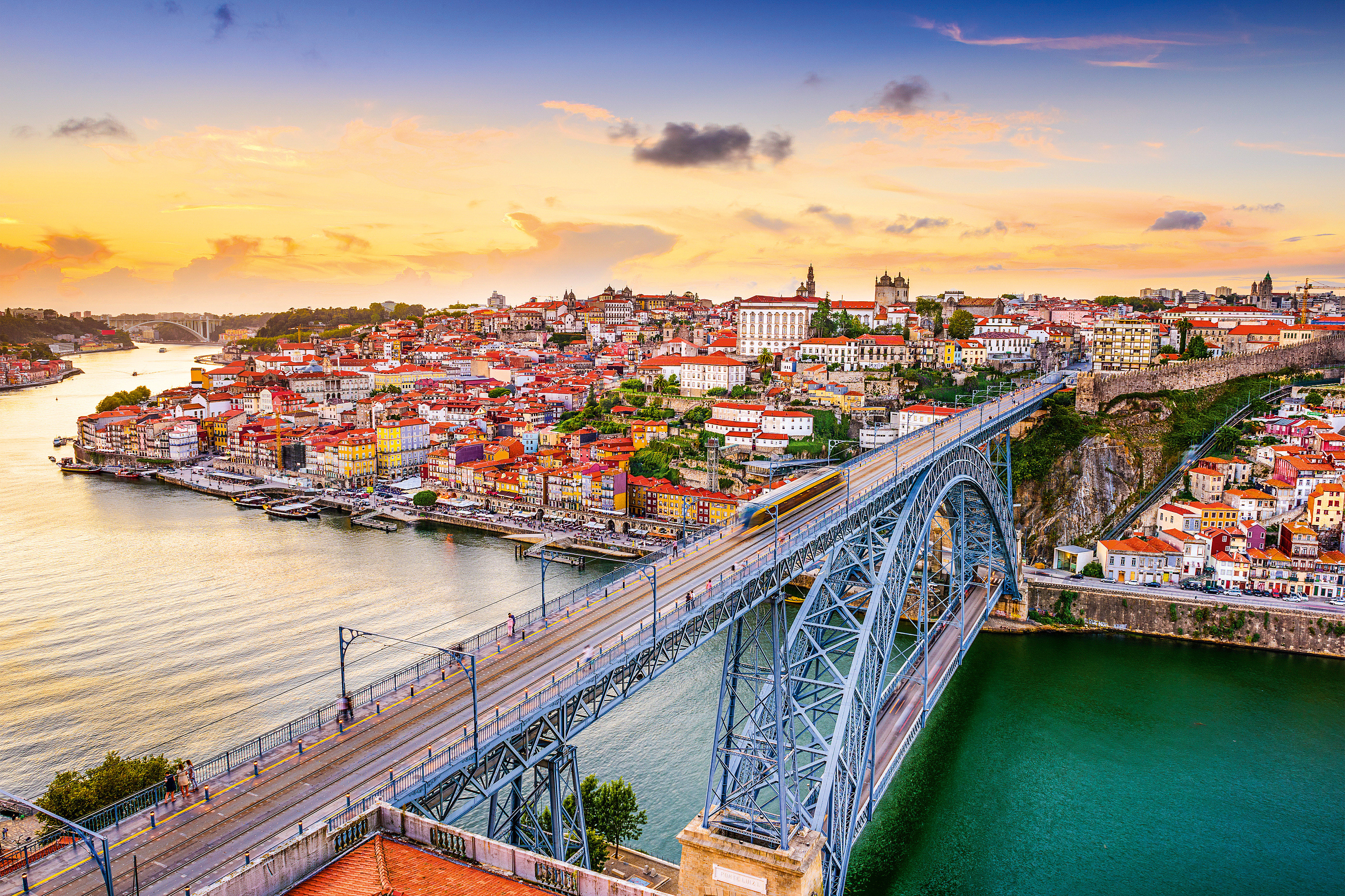
- Porto: the Cathedral, Ribeira, Luís I Bridge, Livraria Lello
- Barcelos: the Keep, the Archaeological Museum, the famous Barcelos rooster
- Ponte de Lima: the oldest town in Portugal, with its Roman and medieval bridge
- Valença do Minho: the bastioned fortress, with views over the river Minho and Tui
In Galicia (Spain)
- Tui: the Gothic cathedral and the International Bridge over the Minho
- Pontevedra: medieval historic centre and traditional market
- Padrón: the Church of Santiago and the legend of the arrival of the Apostle’s body
- Santiago de Compostela: the Cathedral, Praza do Obradoiro and the Pilgrims’ Mass
Estimated Costs of the Portuguese Way
- Accommodation: €10–30/night (average €20)
- Meals: €15–25/day (pilgrim’s menu available in many places)
- Transport at the start and end: €30–80 (airport transfer or Santiago–Porto transfer)
- Estimated total (14 days): €400–700 per person
Final Tips for the Portuguese Way
- Start training at least 2–3 months beforehand with progressively longer walks
- Keep your backpack as light as possible
- Drink water often, especially in summer
- Listen to your body and rest when you need to
- Make use of the luggage transport services available on the Way
- Connect with other pilgrims – the Way is also a unique social experience
The Portuguese Way from Porto to Santiago de Compostela is much more than a walk – it is a transformative experience that will stay with you forever. Buen Camino!



Leave a Reply